Few books manage to turn a single fish into a thriller, yet Tuna Wars does precisely that. Written by Dutch journalist Steven Adolf, it follows the bluefin from the open ocean to the planet's most expensive auction floors. Along the way it becomes a story of money, politics, science and raw appetite. For anyone who has ever wondered where their sushi really comes from, the book reads less like a dry report and more like a slow-building drama where the stakes keep rising.
The book that turned tuna fishing into a global story
A record tuna sale is hard to describe to anyone who has never watched one. As the price climbs at a Tokyo auction, you feel the same restless thrill that pulls people toward an easy late-night round at lazybar, where the next moment is always a guess. Adolf knows that feeling well. He builds the whole book on it.
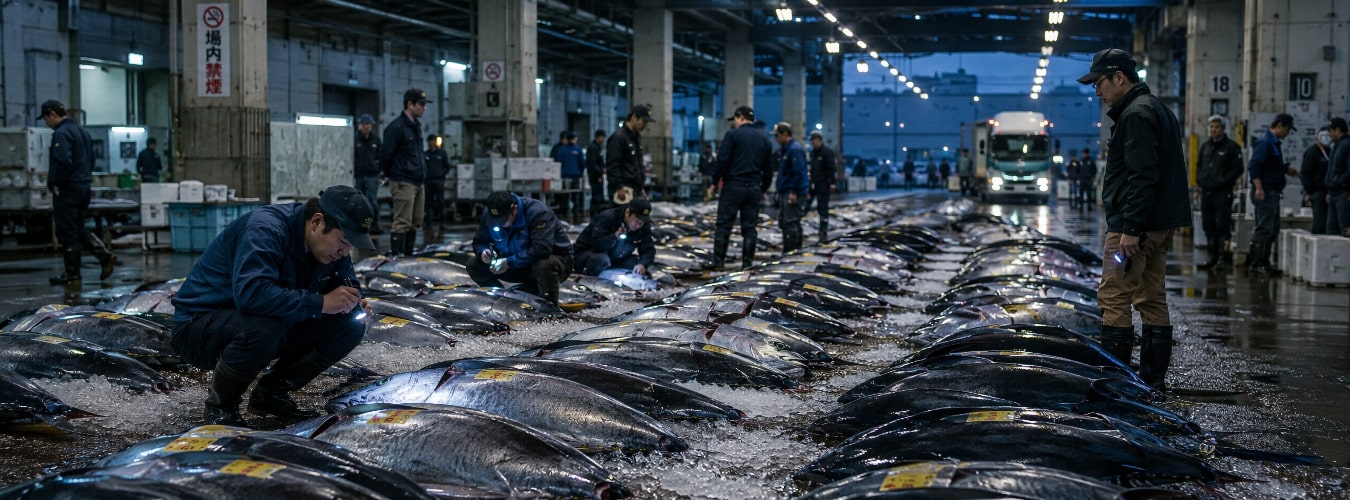
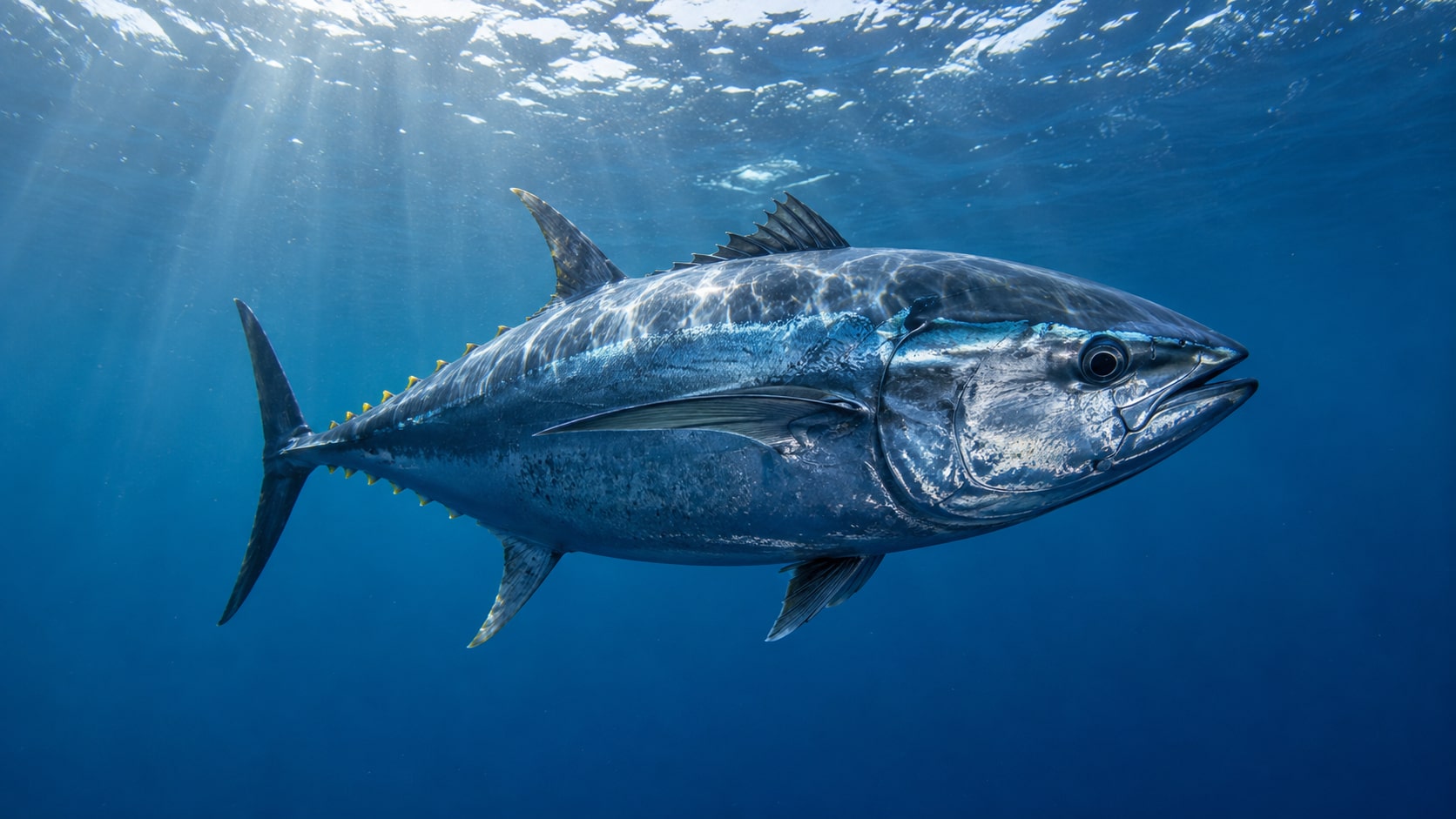
The book never treats the fish as simple food. The bluefin is a character here — hunted, traded, argued over and admired. A few things make it stand out:
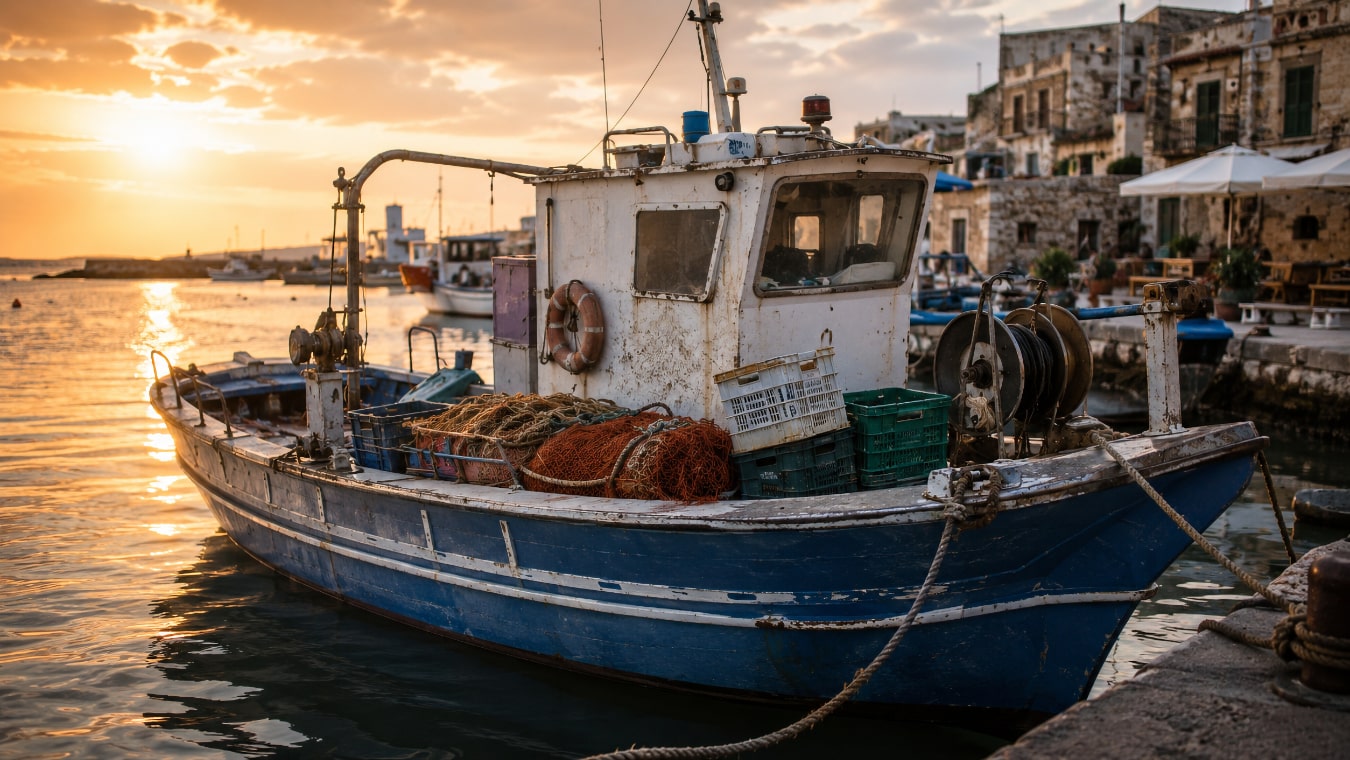
- It links a Mediterranean fishing village to a Japanese sushi counter in one clean thread
- It explains messy quota politics without burying you in jargon
- It hands the microphone to real fishermen, traders and scientists
- It avoids easy heroes and villains
- It treats sustainability as a hard problem, not a slogan
- It keeps its humor about a very serious subject
A fish turns priceless only when enough people agree to fight over it. The bluefin is the clearest proof of that strange math.
Who Steven Adolf is and why he chased the bluefin
Steven Adolf is an economist and a journalist. He spent years reporting on Spain and the Mediterranean, and that mix shapes the book. He reads the tuna trade like an economist reads a market. He tells it like a reporter tells a good story. He tracked the bluefin for nearly two decades before the book found its final form.
His interest was never only academic. He wanted to know how a fish that once fed ordinary families became a luxury flown around the world. That question led him into harbors, processing plants, research stations and trading rooms. The book is the payoff of that long patience, and the detail proves it.
| Side of Steven Adolf | What it brings to the book |
|---|---|
| Economist | A clear eye for markets, prices and incentives |
| Journalist | Human scenes, real voices and pacing |
| Long-time resident of Spain | Deep feel for Mediterranean fishing culture |
| Patient researcher | Two decades of context, not a quick take |
How one fish became a high stakes business
Tuna fishing sits at a strange crossroads. The work is ancient, yet it now runs on global finance, cold-chain logistics and fast bidding. Adolf shows how one catch can change hands several times before lunch. Each step adds value, and each step adds risk. The money on the table can be staggering.
That blend of skill, timing and luck is part of why the trade is such good reading. The instinct that keeps people returning to online entertainment — the hope that one good moment changes everything — runs through the tuna market as well. Here is a simple map of who wants what.
| Player | Role in the trade | What they want |
|---|---|---|
| Fishermen | Catch the fish | A fair price for hard, risky work |
| Traders | Move fish to market | Speed, quality and margin |
| Restaurants | Sell the final plate | Reliable supply of prime cuts |
| Regulators | Set the quotas | Stocks that survive the next decade |
The friction between these groups is where the book lives. Nobody is purely wrong. That is what makes it honest.
From the auction floor to your dinner plate
Most of us meet tuna as a tidy slice on rice, with no hint of the journey behind it. Adolf closes that gap. He walks you through the chain until an ordinary meal carries a long backstory. After that, you order a little differently.
If you want to read the book with sharper eyes, track a few themes from the first page to the last:
- How quotas get set, ignored, and slowly enforced
- Why one species can thrive in one ocean and collapse in another
- How marketing turned a cheap fish into a status symbol
- What sustainable certification really promises, and what it cannot
- How small choices at the counter travel back to the boat
- Why patience, not panic, tends to rebuild fish stocks
The shortest path from the ocean to your plate runs through decisions most of us never see. Adolf spends the whole book dragging them into the light.
What Tuna Wars still teaches us about the ocean
The real strength of Tuna Wars is that it never gives up hope. Adolf shows that careful management has already pulled some bluefin stocks back from the edge. The ending is not written yet. The ocean answers to good policy. Read now, the book feels less like a warning and more like an invitation to pay attention — to what we eat, what we reward, and what we protect before it disappears.